
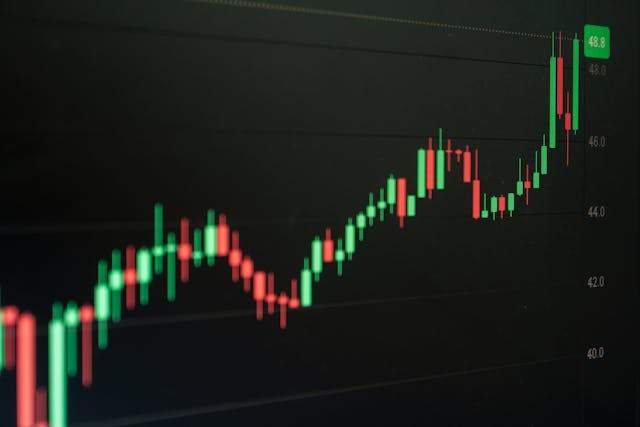

Entering the world of forex trading can feel both exciting and overwhelming. The foreign exchange market, or forex, is the largest and most liquid financial market in the world, with trillions of dollars changing hands daily.
For new and intermediate traders, understanding the nuances of this market is essential to navigate it successfully. While the profit potential exists, so does the risk of significant loss. Developing a strong foundation, cultivating disciplined habits, and learning from experience are the keys to becoming a confident trader.
Understanding the Basics of Forex Trading
Before diving into strategies and techniques, it is crucial to understand what forex trading entails. At its core, forex trading involves buying and selling currency pairs. Unlike stocks, which represent ownership in a company, forex trading focuses on the value of one currency relative to another. For instance, trading the EUR/USD pair means speculating on the value of the euro compared to the U.S. dollar. Profit is generated by accurately predicting the rise or fall of a currency pair’s value over time.
Many traders benefit from familiarising themselves with common terms such as pips, lots, leverage, and margin. A pip represents the smallest price change in a currency pair, while lots indicate the standardised volume of a trade. Leverage allows traders to control larger positions with smaller capital, magnifying both potential profits and losses. Understanding these basics is fundamental to navigating the forex market confidently and avoiding costly mistakes.
For those seeking a comprehensive introduction, exploring what is forex trading can provide a solid foundation and help you understand the mechanics, risks, and opportunities in this dynamic market.
Developing a Trading Plan
A trading plan is essential for consistency and long-term success. New and intermediate traders often struggle with impulsive decisions, reacting emotionally to market movements. A well-defined plan outlines entry and exit strategies, risk tolerance, and trading goals. Setting clear objectives ensures that decisions are driven by analysis rather than emotion.
Risk management should be a cornerstone of every trading plan. Many traders make the mistake of risking too much capital on a single trade, leading to significant losses. A general rule of thumb is to risk no more than 1-2% of your trading capital on a single position. Stop-loss orders, which automatically close a trade at a predetermined price, are a vital tool for protecting your capital. By implementing strict risk management rules, traders can survive losing streaks and remain consistent in the long term.
Choosing the Right Trading Strategy
Selecting a strategy that aligns with your trading style is critical. Forex trading strategies generally fall into three categories: scalping, day trading, and swing trading. Scalping involves making numerous small trades within short time frames to capitalise on minor price movements. It requires quick decision-making, a disciplined mindset, and low transaction costs.
Day trading focuses on opening and closing trades within a single day to avoid overnight exposure. Traders analyse intraday charts, news releases, and technical indicators to identify opportunities.
Swing trading takes a longer-term approach, holding positions for days or even weeks to capture broader market trends. This strategy allows traders more time for analysis and typically involves fewer trades but larger potential gains per trade.
Leveraging Technical and Fundamental Analysis
Successful traders often combine technical and fundamental analysis to make informed decisions. Technical analysis examines historical price data to identify patterns, trends, and potential reversal points. Common tools include moving averages, trend lines, and oscillators such as the Relative Strength Index (RSI). These indicators help traders pinpoint optimal entry and exit points based on market behaviour.
Fundamental analysis, on the other hand, evaluates economic, political, and social factors that influence currency values. Key indicators include interest rates, employment figures, inflation data, and geopolitical events. Understanding how these factors impact currency markets allows traders to anticipate potential market movements beyond what charts alone can reveal.
Maintaining Discipline and Emotional Control
One of the most significant challenges for traders at any level is managing emotions. Fear and greed can lead to impulsive decisions, such as entering trades too late or holding positions too long. Developing discipline involves sticking to your trading plan, following risk management rules, and avoiding the temptation to “chase” profits.
Keeping a trading journal can be an invaluable habit. Recording the rationale behind each trade, market conditions, and emotional state helps identify patterns of success and areas for improvement. Over time, this practice fosters self-awareness and reduces the likelihood of repeating costly mistakes.
Conclusion
Forex trading offers exciting opportunities for those willing to invest the time and effort to learn its intricacies. By understanding the fundamentals, developing a robust trading plan, choosing strategies suited to your style, and combining technical with fundamental analysis, traders can navigate the market with confidence. Equally important is cultivating discipline, managing emotions, and committing to ongoing learning.
For anyone starting their journey, understanding what forex trading provides is a reliable foundation. By approaching forex trading with patience, discipline, and a willingness to learn, both new and intermediate traders can build the skills necessary to achieve consistent results and long-term success.